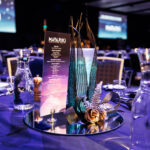
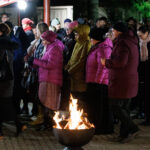
“MATARIKI RERE KI PAE MAHARA” “MATARIKI A TIME TO REMEMBER AND REFLECT”
Matariki is commonly known as the Maaori New Year and is marked by the rising of the cluster of stars named Pleiades or Matariki according to Maaori.
There are many significant Matariki stories, locally she is known as the daughter of Papatuuaanuku (earth mother) and Ranginui (sky father). According to Maaori mythology, after the children separated their parents Papatuuaanuku and Ranginui. Tāwhirimaatea (God of the winds) became so angry he tore out his eyes and threw them into the heavens.
This was the creation of Matariki.
Matariki was celebrated at the end of the summer harvest season, in the last days of May to early June, when Matariki appears in the tail of the Milky Way. The storehouses were filled with food, and the land was made ready for the next seasons planting. This was a time to foster unity and the meaning of whaanau (family). Whaanau took the opportunity to reflect on the past year and plan for the future: through whakapapa, songs, games, carving, weaving and historical stories.
Many cultures acknowledge Matariki but call it by other names: For example Ancient Greek Pleiades, Japanese Subaru, and Hawaiians Makali’i. Similar to Maori, these cultures also believe they have a spiritual relationship with the universe.
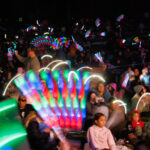
Celebrations in Kirikiriroa began in 2009, with a dawn karakia and breakfast to acknowledge a significant date in Waikato history: June 16 1906 “The birth of King Korokii”.
Tainui history tells that a sign was seen in the Matariki constellation at the birth of King Korokii. The Waikato people call this sign, Te Waka o Tainui. During Matariki the waka cast a net across the earth, gathering all those who have passed in the previous year. Our ancestors would weep and lament as Matariki carried their dead into the afterlife.